Shopping Cart
There are no more items in your cart


Filters for agricultural irrigation
Filters to retain sand, sediment and other impurities from the water, protecting micro-sprinklers, drippers, valves and pipes in agricultural irrigation installations.



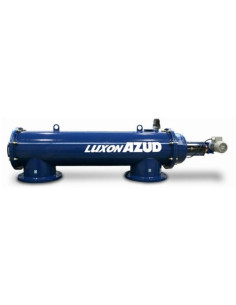


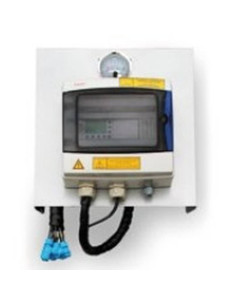

Filters for agricultural irrigation help remove sand, sediment, organic remains and other particles present in the water before they reach the emitters and components of the installation.
Proper filtration is essential to keep irrigation systems working correctly. Impurities present in the water can build up in micro-sprinklers, drippers, valves, pipes and connections, reducing flow and causing blockages.
Irrigation filters act as a protective barrier, retaining particles before they circulate through the rest of the installation. This helps maintain a more uniform water distribution and reduces repair and cleaning tasks.
Emitters with reduced water passages are especially sensitive to the presence of particles. A filter for micro-sprinklers and drippers helps prevent dirt from reducing the flow or completely interrupting the water outlet.
This protection is especially important when the water comes from wells, tanks, canals or ponds, where it may contain sand, organic matter and sediment.
To choose the right model, the installation flow rate, type and size of particles, working pressure, connection diameter and quality of the water used must be taken into account.
It is also important to check the filtration level required by the installed micro-sprinklers, drippers or emitters. Filtration that is too coarse could allow particles through, while filtration that is too fine may require more frequent cleaning.
Filters must be checked and cleaned periodically to prevent dirt build-up. The frequency will depend on water quality, the flow rate used and the operating hours of the installation.
A pressure loss or reduced flow may indicate that the filter element needs cleaning. Regular maintenance helps preserve filtration capacity and prevent damage to the rest of the system.
At Electrochannel you will find filters for agricultural installations, vegetable gardens, nurseries, greenhouses and green areas. They can be combined with micro-sprinklers, hydraulic valves, pipes, hoses and connections to create or expand a complete irrigation installation.