Shopping Cart
There are no more items in your cart
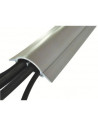
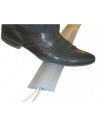
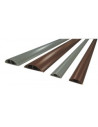
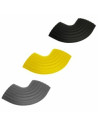
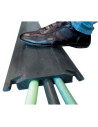
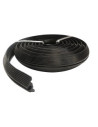
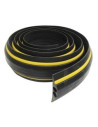
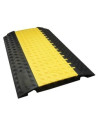
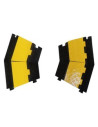

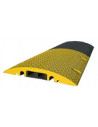
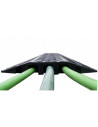


Cable protectors, ducts, cable ramps and speed bumps to cover, organise and protect temporary or permanent installations in workshops, warehouses, events, construction sites, car parks and pedestrian or vehicle traffic areas.



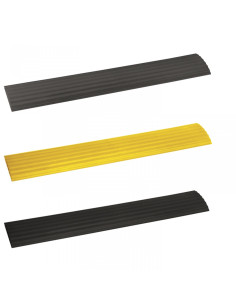
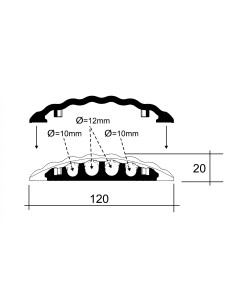
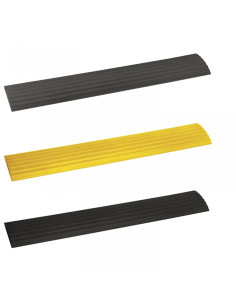
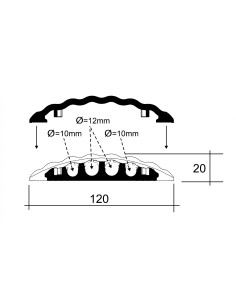
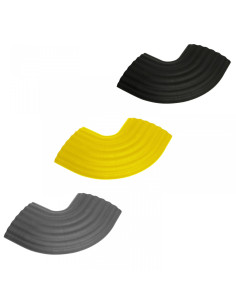
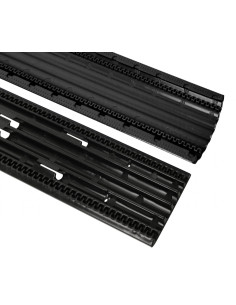
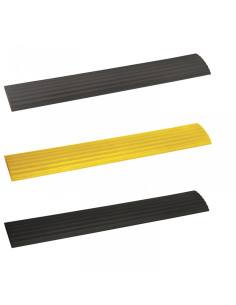
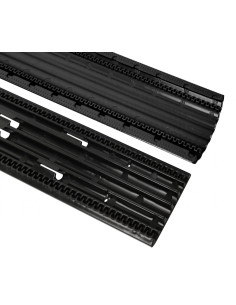
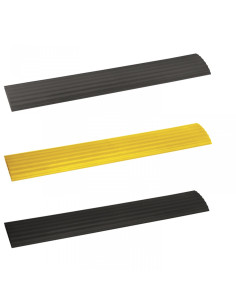


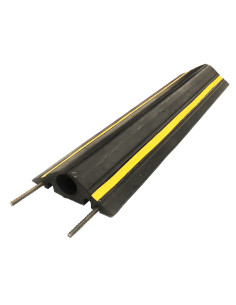
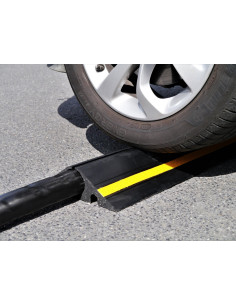


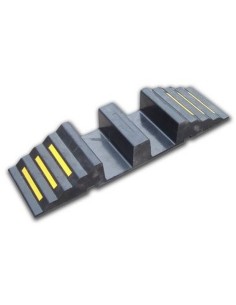
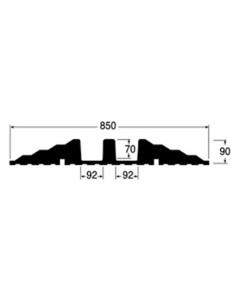
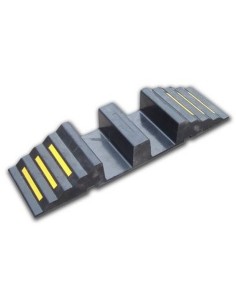
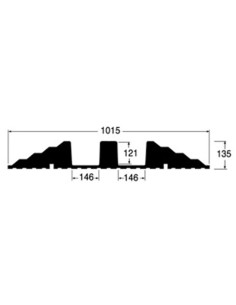


Cable protectors and speed bumps allow conductors, hoses and conduits crossing transit areas to be covered, reducing their exposure to footsteps, impacts, friction and the passage of certain vehicles.
They also help keep cables organised and reduce the risk of trips in temporary installations, workshops, warehouses, events, construction sites and workspaces.
The range includes flexible and rigid ducts, pedestrian cable ramps, modular protectors and speed bumps designed for different loads, measurements and conditions of use.
The protective ducts cover electrical cables, hoses, pipes and other conduits that need to cross an accessible area.
There are models for indoor, outdoor, temporary or permanent installations, with different numbers of channels and internal dimensions.
The pedestrian cable protectors are designed to cover conduits that cross areas where people circulate.
Their profile helps create a more gradual transition over the wiring, reducing obstacles and allowing more orderly passage.
Before choosing a model, it is advisable to check its height, width, non-slip surface and suitability for the expected type of traffic.
The cable protection speed bumps allow installations located in car parks, access areas, industrial zones and areas with vehicle traffic to be covered.
They may include modular bodies, hinged covers and several internal channels to separate cables, pipes or hoses.
They adapt better to routes with small curves, uneven surfaces or temporary installations that need to be placed and removed frequently.
They provide a stable structure for straight routes and areas where more defined and permanent protection is needed.
Not all protectors are designed to withstand vehicle traffic. Pedestrian models should only be used in areas compatible with their design.
For car parks, access areas or industrial zones, select a speed bump whose capacity, dimensions and traffic type match the intended application.
The protector must be placed on a stable, clean and as level as possible surface. The modules must be correctly joined to prevent movement or separation.
Cables and hoses must be housed without being pinched, excessively bent or subjected to tension.
It is advisable to periodically check the condition of the body, covers, connectors and fixing elements, especially in areas subject to continuous traffic.
Replace any module showing cracks, deformation or damage that could affect the protection of the conduits.
Tell us the measurements and number of cables or hoses, the route length and the expected type of traffic. We will help you find the most suitable duct, cable ramp or speed bump.

