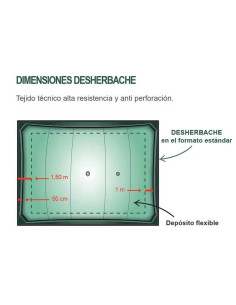
Protection or weeding tarp
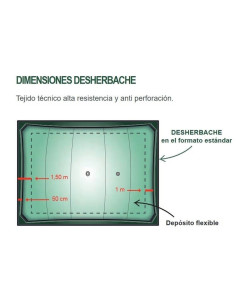
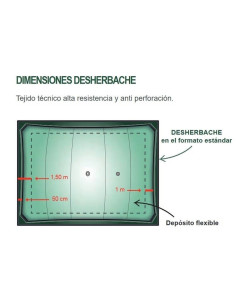
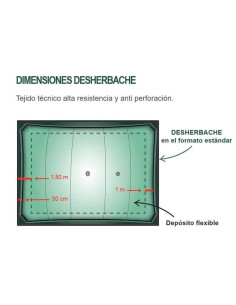
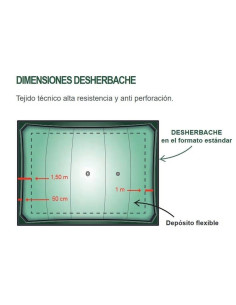
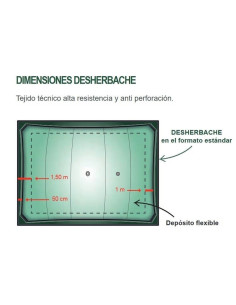
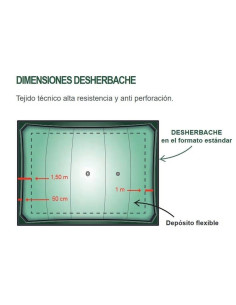
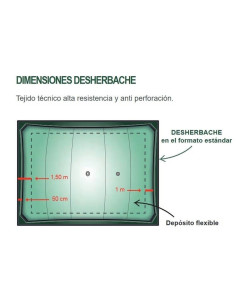
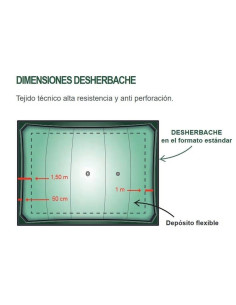
When it comes to keeping your crops protected and your land free from unwanted weeds, protective or weed-control fabric is an effective and eco-friendly solution. These products are essential in modern agriculture, gardening and landscaping, helping to optimise plant growth and minimise maintenance work. Their strong technical fabric protects the tanks from external elements, mainly preventing punctures. These fabrics are placed underneath the tanks and also ensure a weed-free perimeter that is accessible to the user, helping to avoid risks when cleaning the surrounding area with sharp tools. These fabrics are the perfect complement to our wide range of flexible tanks, which we recommend you visit.
What is protective or weed-control fabric?
Protective or weed-control fabrics are covers made from resistant materials designed to suppress weed growth without the use of chemicals. They are placed over the ground to block sunlight, preventing weeds from germinating and growing. In addition to their anti-weed function, these fabrics help retain soil moisture, reduce erosion and can help maintain soil temperature, creating a more controlled environment for plant growth.
Benefits of using protective or weed-control fabric
Using protective fabric in your fields or gardens offers multiple benefits:
- Weed control: helps keep areas free of weeds without the need for herbicides, which is better for the environment and the health of people and animals that frequent these areas.
- Water conservation: by reducing soil evaporation, these fabrics help retain the moisture needed for optimal plant development.
- Soil improvement: covering the soil with fabrics can prevent compaction caused by direct rainfall and machinery traffic, maintaining a healthier soil structure.
- Erosion reduction: by protecting the soil from the direct impact of rain, erosion is minimised and the integrity of the land is preserved.
How to choose the right protective fabric
When selecting the perfect protective or weed-control fabric for your use, consider the following factors:
- Material: look for durable materials that are resistant to UV degradation if the fabric will be exposed to sunlight for long periods.
- Permeability: choose a fabric that allows water to pass through to prevent waterlogging and ensure the soil receives enough water.
- Size: make sure the fabric completely covers the desired area. You may need several fabrics to cover large areas.
- Ease of installation: consider how the fabric will be installed. Some come with eyelets or fastening systems that make installation and handling easier.
Step-by-step guide to installing protective fabric on flexible tanks
Installing protective fabric over flexible tanks is essential to extend their service life and protect the stored water from contamination and evaporation. Follow this step-by-step guide to make sure the installation is carried out correctly and efficiently.
Step 1: area preparation
Before installing the fabric, make sure the area around the tank is clean and level. Remove stones, branches and any other objects that could puncture the fabric. If necessary, smooth the ground to prevent water from accumulating underneath the fabric.
Step 2: measure and cut the fabric
Measure the tank to determine the required fabric size. It is important to leave an additional margin around the edges to ensure full coverage and allow secure fastening. Cut the fabric according to the measurements, taking into account any protrusions or irregularities on the tank surface.
Step 3: positioning the fabric
Carefully unfold the fabric over the tank, making sure it completely covers all exposed areas. If the tank is outdoors, consider leaving a little slack in the fabric to allow for expansion and contraction due to temperature changes.
Step 4: fastening the fabric
Use weights or anchors to secure the fabric in place. This may include using stones, sandbags or special hooks if the fabric has built-in eyelets. Make sure the fabric is taut and securely fastened to prevent the wind from lifting or moving it.
Step 5: checking and adjustments
Once the fabric is installed, check the entire surface to make sure there are no loose areas or water pockets that could accumulate. Adjust the weights or anchors as needed to keep the fabric secure and effective.
Step 6: regular maintenance
Carry out regular inspections of the fabric to make sure it remains in good condition and correctly adjusted. Look for signs of wear, such as tears or rips, and replace the fabric or make the necessary repairs immediately to maintain optimal tank protection.
Discover the perfect combination of protective fabrics and flexible tanks
Protective fabrics optimise the performance of our flexible tanks, extending their durability and maintaining the quality of the stored water. Are you looking to complement this with good water storage for your agricultural or gardening operation? We invite you to explore our wide selection of affordable flexible tanks. Perfect for a variety of uses, from irrigation systems to emergency water storage, our flexible tanks offer the resistance and flexibility you need to adapt to any situation.