Shopping Cart
There are no more items in your cart

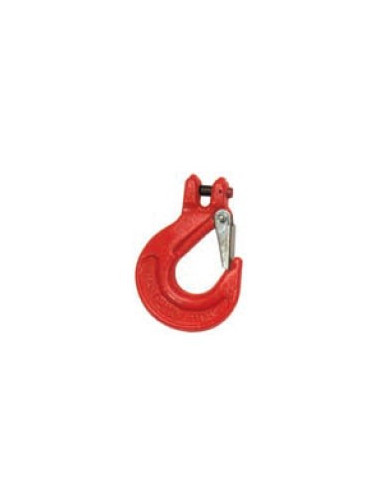
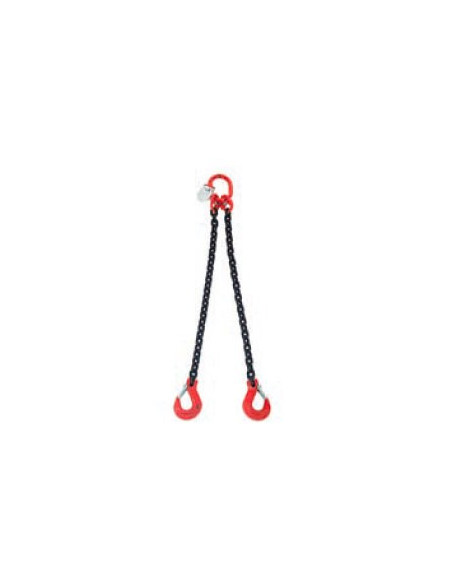
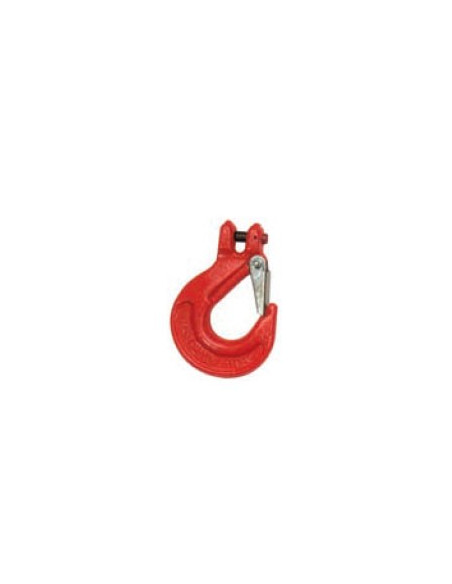
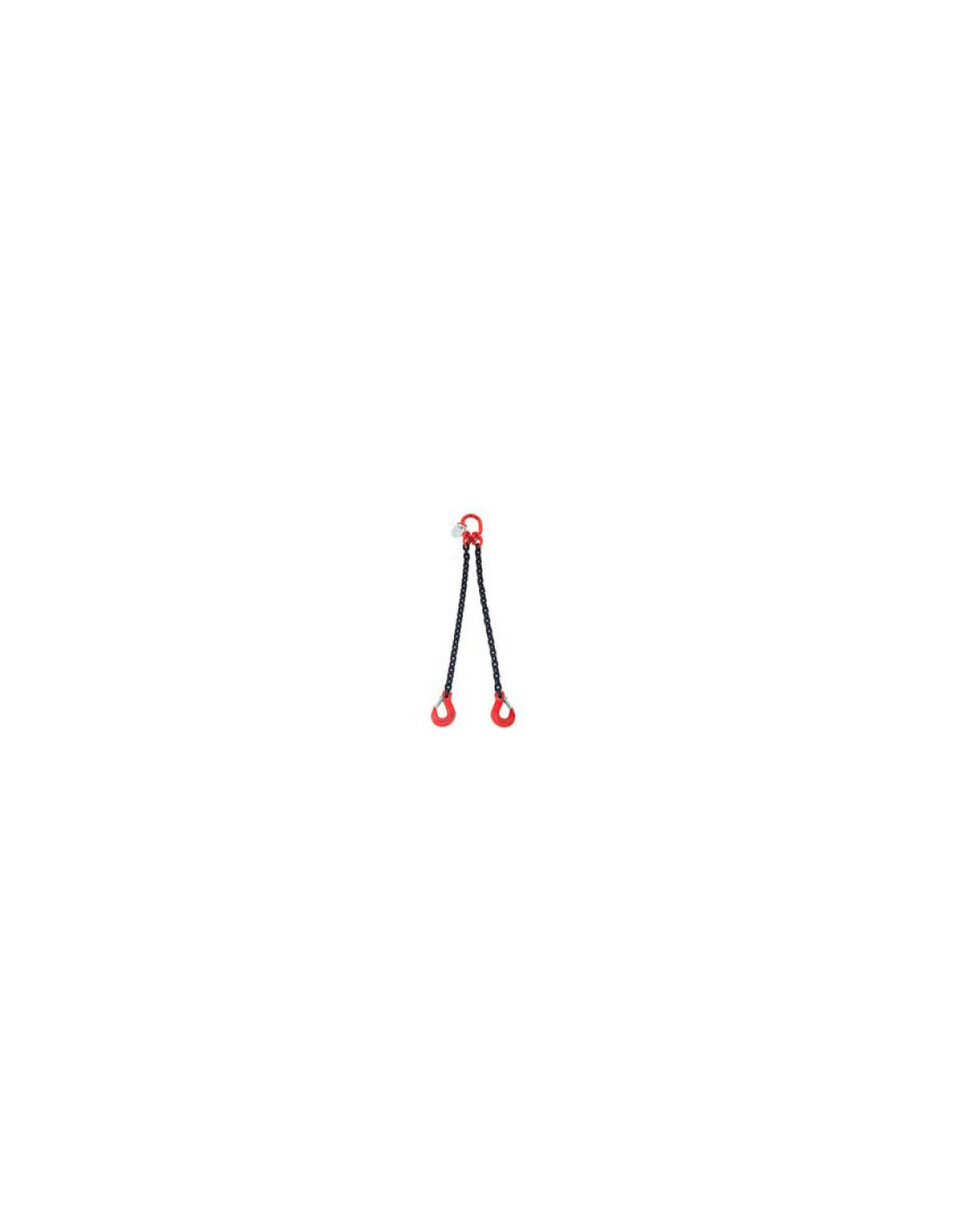
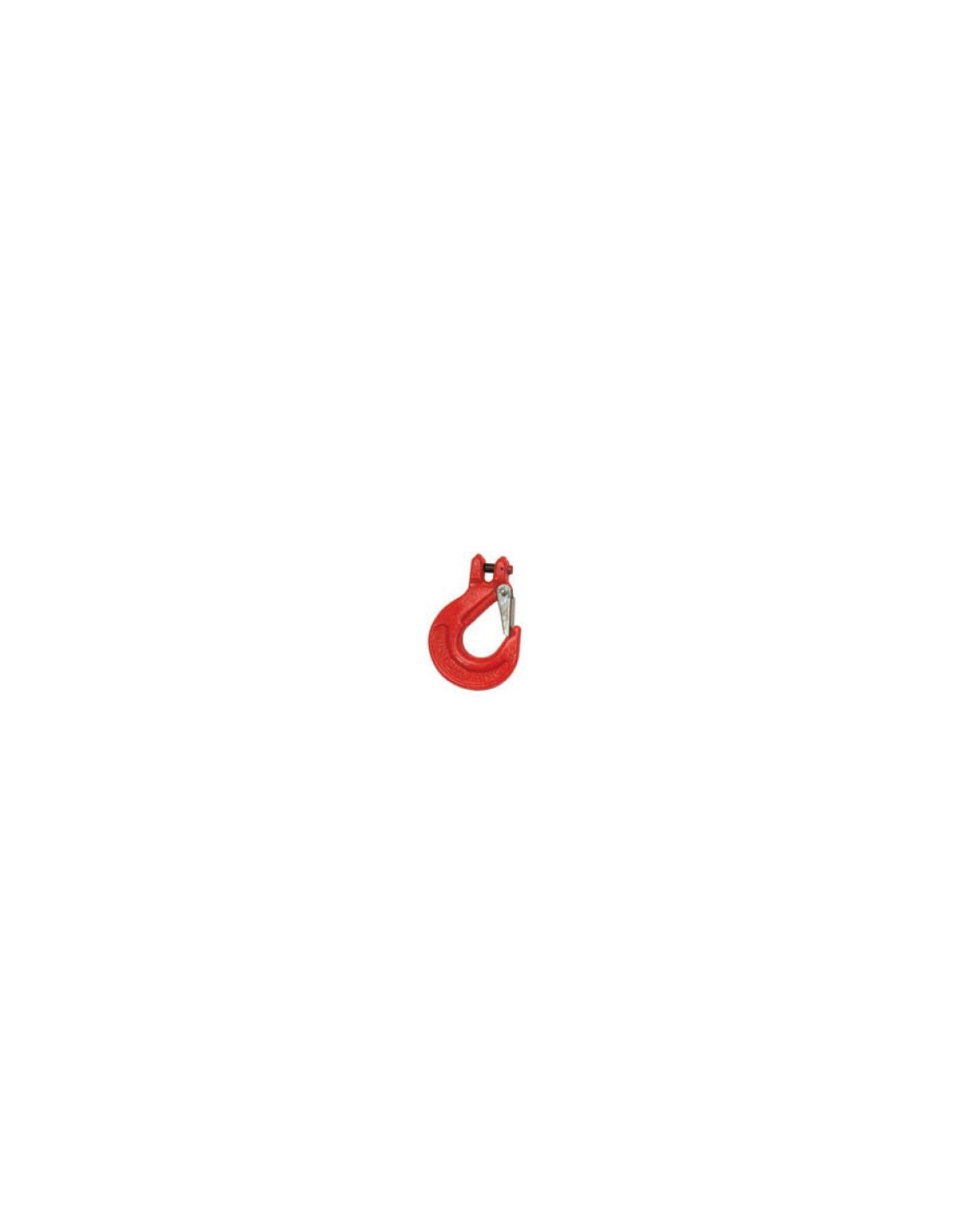

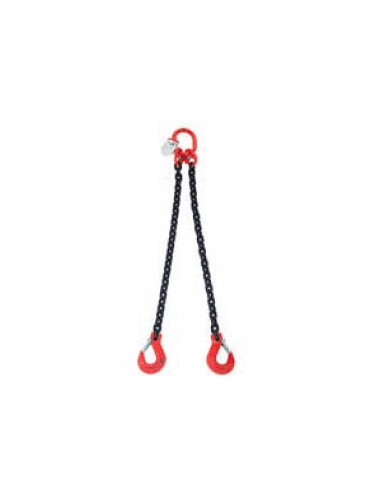
Chain octopus, 2 6 mm branches, with direct latch hook to chain
€36.20
Tax included
The load chain octopus is ideal for lifting heavy loads that need more than two grip points, as it has great resistance and flexibility. When choosing the necessary octopus, the elevation angles of the branches with respect to the vertical must be taken into account.
Characteristics of the load chain octopus
Chain octopus, 2 6 mm branches, includes direct latch hook to chain.
The hooks can be attached to any octopus. Any type of hook, whether rotating or not.
High quality.
Store in a dry, ventilated place, free of corrosive or dusty atmospheres.
 |
 |
 |
|||||
| NOMINAL DIMENSION | SLINGS 1 BRANCH | 2 BRANCH SLINGS | SLINGS 3 AND 4 BRANCHES | ||||
| β<45° | 45°<β<60° | β<45° | 45°<β<60° | ||||
| Angle between opposite branches not applicable to 3 branches, α | α<90° | 90º<α<120° | α<90° | 90o<α<120° | |||
| Nominal dimension | MAXIMUM USE LOAD - CMU [kg]EN 818-4, safety coefficient 4:1 | ||||||
| mm | Grade | inch | Balanced loaded steel cable slings* | ||||
| 6 | 80 | 7/32" | 1,120 | 1,600 | 1,120 | 2,360 | 1,700 |
| 7 | 80 | 9/32" | 1,500 | 2,120 | 1,500 | 3,150 | 2,240 |
| 8 | 80 | 5/16" | 2,000 | 2,800 | 2,000 | 4,250 | 3,000 |
| 8 | 100 | 5/16" | 2,500 | 3,500 | 2,500 | 5,250 | 3,800 |
| 10 | 80 | 3/8" | 3,150 | 4,250 | 3,150 | 6,700 | 4,750 |
| 10 | 100 | 3/8" | 4,000 | 5,600 | 4,000 | 8,400 | 6,000 |
| 13 | 80 | 1/2" | 5,300 | 7,500 | 5,300 | 11,200 | 8,000 |
| 13 | 100 | 1/2" | 6,700 | 9,400 | 6,700 | 14,000 | 10,000 |
| 16 | 80 | 5/8" | 8,000 | 11,200 | 8,000 | 17,000 | 11,800 |
| 16 | 100 | 5/8" | 10,000 | 14,000 | 10,000 | 21,000 | 15,000 |
| 19 | 80 | 3/4 | 11,200 | 16,000 | 11,200 | 23,600 | 17,000 |
| 22 | 80 | 7/8 | 15,000 | 21,200 | 15,000 | 31,500 | 22,400 |
| 26 | 80 | 1 | 21,200 | 30,000 | 21,200 | 45,000 | 31,500 |
| 32 | 80 | 1 1/4 | 31,500 | 45,000 | 31,500 | 67,000 | 47,500 |
*For slings loaded unbalanced, the following CMU should be taken: · 2-leg slings, calculate the CMU as if it were
of 1-leg slings. · Slings with 3 and 4 legs, calculate the CMU as if it were slings with 2 legs.
USE
1. Do not lift with a twisted chain. 2. Shorten chains only with shortening hooks. Knots should be avoided. 3. When handling loads with edges, sharp points or cutting edges, the chains must be protected with appropriate padding or padding. 4. Hooks should not grab loads with their ends, but with the inside. 5. Hooks not used during lifting must be attached to the main ring. 6. Make sure that the ring can move freely on the crane hook. 7. Replace damaged accessories as soon as they are detected. 8. Do not overload the chains, check that the angle inclination is respected and, if in doubt, always choose a larger chain.
Includes approval plate indicating the workloads. Available CE quality certificate
UTSP2R6MMGPDC
No reviews
Comments (0)
No customer reviews for the moment.
Tap to zoom