Shopping Cart
There are no more items in your cart

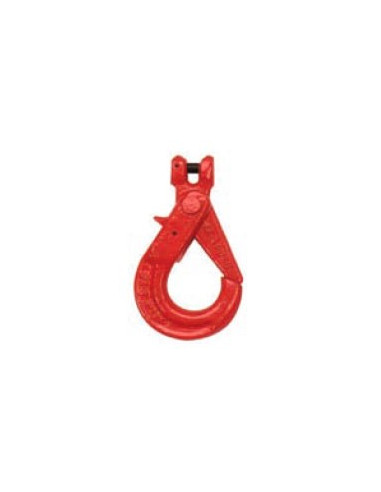
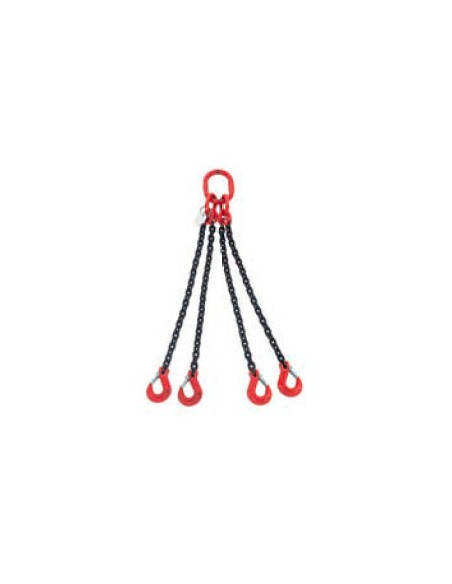
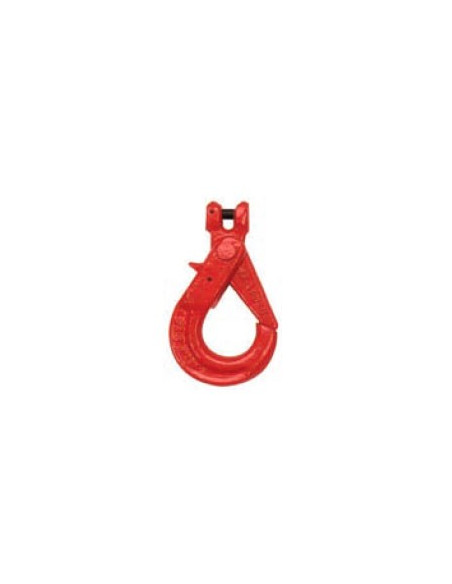
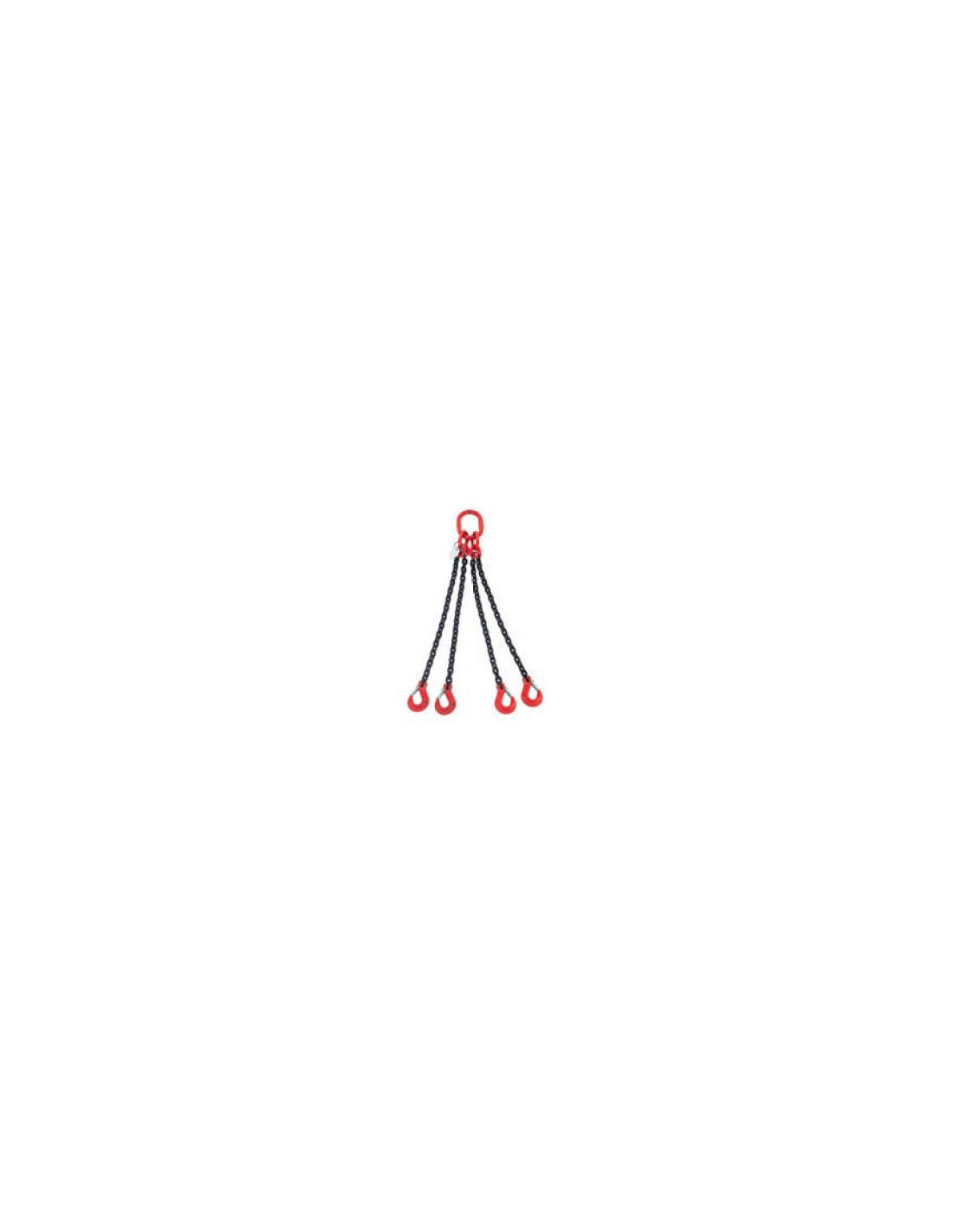
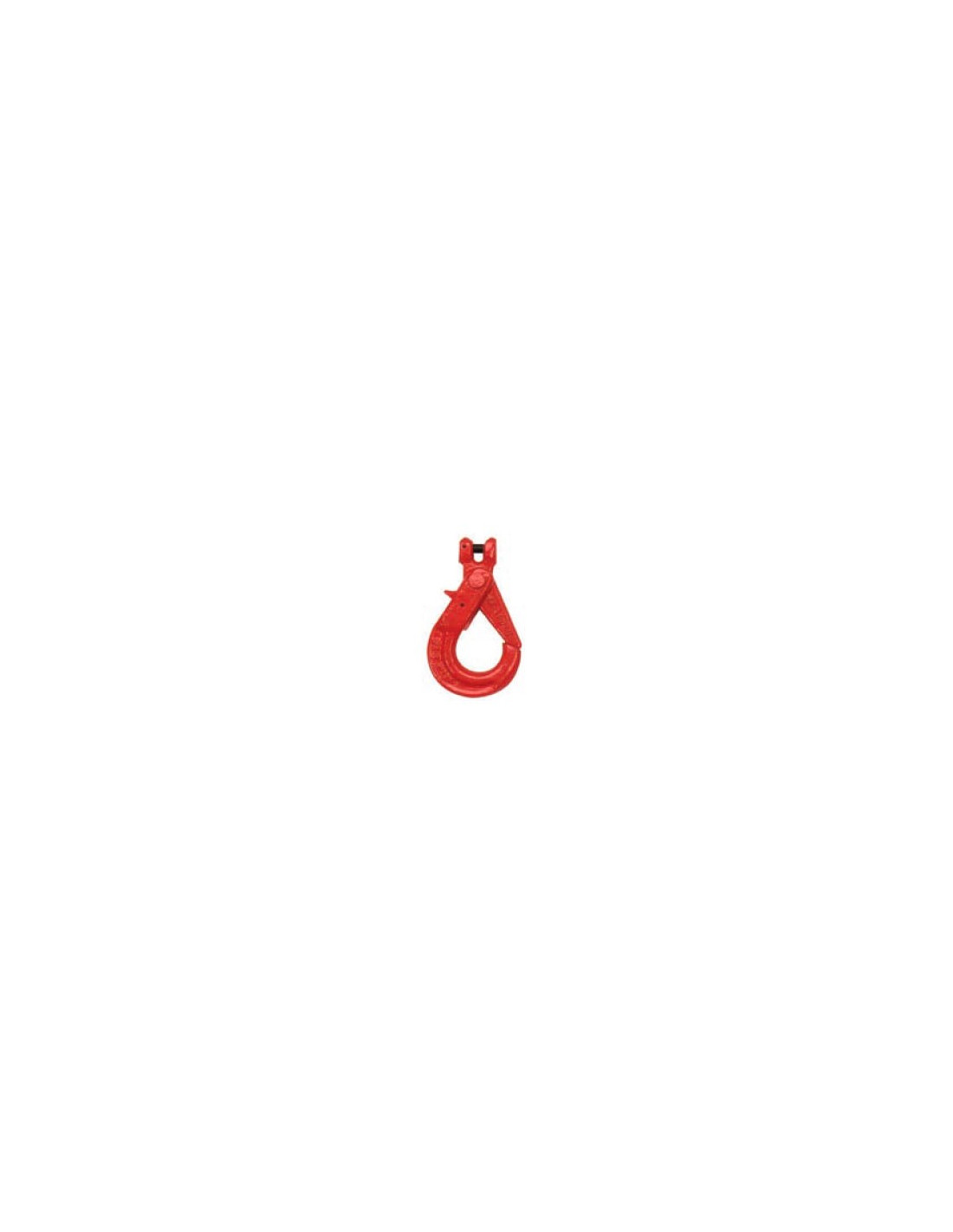

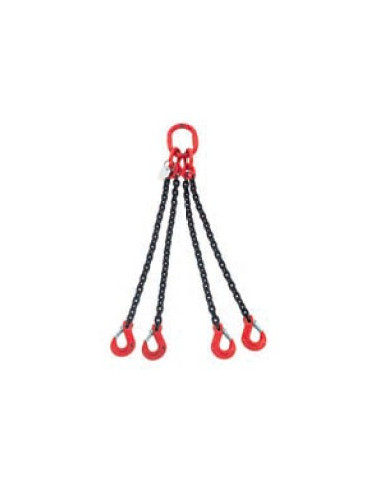
Chain octopus, 4 6 mm branches, with direct safety hook to chain
€130.23
Tax included
The high-strength chain sling, also known as a loading octopus, is a tool designed to offer you safety when carrying heavy weights. It has a direct safety hook on the chain. It provides you with high-level security and robustness. The selection of robust, high-quality materials will allow you to enjoy a long-lasting tool of safety and resistance.
 |
 |
 |
|||||
| NOMINAL DIMENSION | SLINGS 1 BRANCH | 2 BRANCH SLINGS | SLINGS 3 AND 4 BRANCHES | ||||
| β<45° | 45°<β<60° | β<45° | 45°<β<60° | ||||
| Angle between opposite branches not applicable to 3 branches, α | α<90° | 90º<α<120° | α<90° | 90o<α<120° | |||
| Nominal dimension | MAXIMUM USE LOAD - CMU [kg]EN 818-4, safety coefficient 4:1 | ||||||
| mm | Grade | inch | Balanced loaded steel cable slings* | ||||
| 6 | 80 | 7/32" | 1,120 | 1,600 | 1,120 | 2,360 | 1,700 |
| 7 | 80 | 9/32" | 1,500 | 2,120 | 1,500 | 3,150 | 2,240 |
| 8 | 80 | 5/16" | 2,000 | 2,800 | 2,000 | 4,250 | 3,000 |
| 8 | 100 | 5/16" | 2,500 | 3,500 | 2,500 | 5,250 | 3,800 |
| 10 | 80 | 3/8" | 3,150 | 4,250 | 3,150 | 6,700 | 4,750 |
| 10 | 100 | 3/8" | 4,000 | 5,600 | 4,000 | 8,400 | 6,000 |
| 13 | 80 | 1/2" | 5,300 | 7,500 | 5,300 | 11,200 | 8,000 |
| 13 | 100 | 1/2" | 6,700 | 9,400 | 6,700 | 14,000 | 10,000 |
| 16 | 80 | 5/8" | 8,000 | 11,200 | 8,000 | 17,000 | 11,800 |
| 16 | 100 | 5/8" | 10,000 | 14,000 | 10,000 | 21,000 | 15,000 |
| 19 | 80 | 3/4 | 11,200 | 16,000 | 11,200 | 23,600 | 17,000 |
| 22 | 80 | 7/8 | 15,000 | 21,200 | 15,000 | 31,500 | 22,400 |
| 26 | 80 | 1 | 21,200 | 30,000 | 21,200 | 45,000 | 31,500 |
| 32 | 80 | 1 1/4 | 31,500 | 45,000 | 31,500 | 67,000 | 47,500 |
*For slings loaded unbalanced, the following CMU should be taken: · 2-leg slings, calculate the CMU as if it were
of 1-leg slings. · Slings with 3 and 4 legs, calculate the CMU as if it were slings with 2 legs.
USE
1. Do not lift with a twisted chain. 2. Shorten chains only with shortening hooks. Knots should be avoided. 3. When handling loads with edges, sharp points or cutting edges, the chains must be protected with appropriate padding or padding. 4. Hooks should not grab loads with their ends, but with the inside. 5. Hooks not used during lifting must be attached to the main ring. 6. Make sure that the ring can move freely on the crane hook. 7. Replace damaged accessories as soon as they are detected. 8. Do not overload the chains, check that the angle inclination is respected and, if in doubt, always choose a larger chain.
Includes approval plate indicating the workloads. Available CE quality certificate
UTSP4R6MMGSDC
No reviews
Comments (0)
No customer reviews for the moment.
Tap to zoom