Flexible deposits
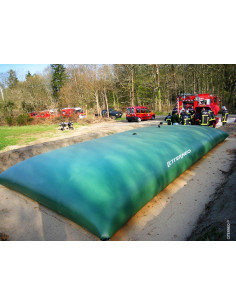
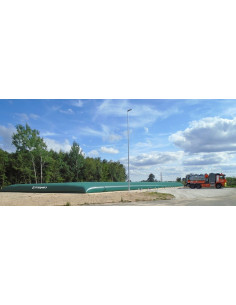
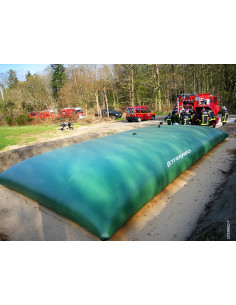
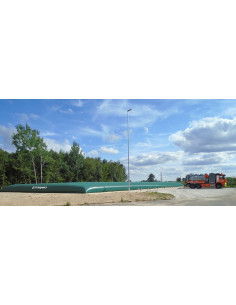
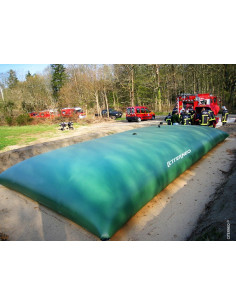
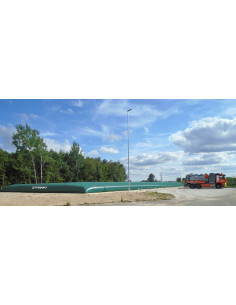
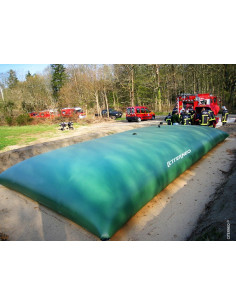
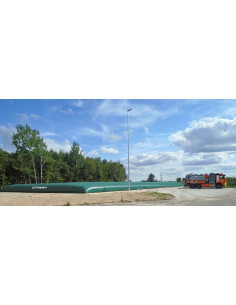
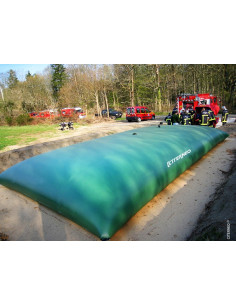
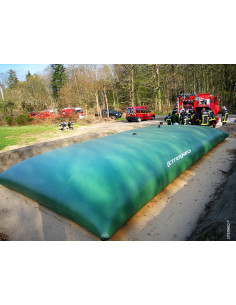
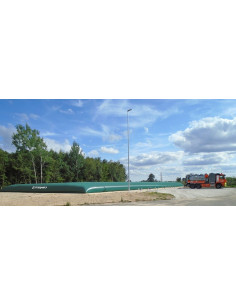
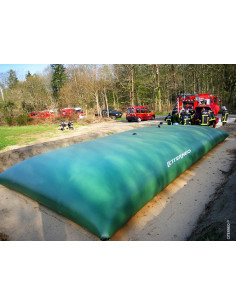
Looking for a practical and cost-effective solution to store slurry, effluents or water on your farm or livestock holding? Flexible tanks are the most convenient alternative to rigid tanks: easy to transport, install and maintain, with excellent durability and resistance.
Types of flexible tanks
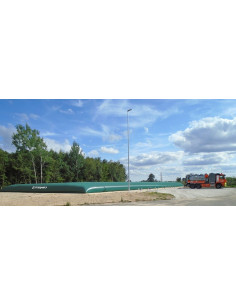
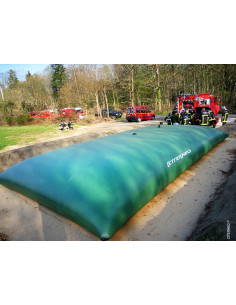
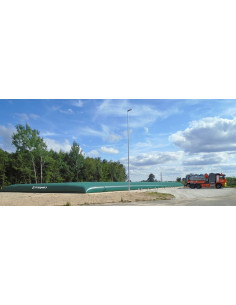
Flexible 140,000 liter firefighting tank
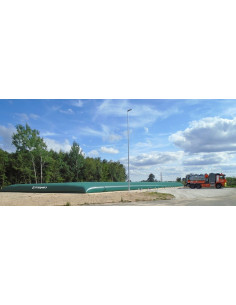
Flexible 150,000 liter firefighting tank
Flexible 160,000 liter firefighting tank
Flexible 170,000 liter firefighting tank
Flexible 180,000 liter firefighting tank
Flexible 190,000 liter firefighting tank
Flexible 200,000 liter firefighting tank
Flexible 210,000 liter firefighting tank
Flexible 220,000 liter firefighting tank
Flexible 230,000 liter firefighting tank
Flexible 240,000 liter firefighting tank
Flexible 250,000 liter firefighting tank
Flexible 260,000 liter firefighting tank
Flexible 270,000 liter firefighting tank
Flexible 280,000 liter firefighting tank
Flexible 290,000 liter firefighting tank
Flexible 300,000 liter firefighting tank
Flexible 310,000 liter firefighting tank
Flexible 320,000 liter firefighting tank
Flexible 330,000 liter firefighting tank
Flexible 340,000 liter firefighting tank
Flexible 350,000 liter firefighting tank
Flexible 360,000 liter firefighting tank
Manufactured from high-quality materials, these tanks can store from 1,000 to 20,000 litres, adapting to the needs of small farms, medium-sized holdings and large industrial facilities.
With them, you save space, reduce construction costs and benefit from sealed storage that is resistant to demanding conditions.
Advantages of flexible tanks
Quick installation with no civil works
You only need a level surface to place it on. There is no need to build structures or invest in masonry work, reducing costs and start-up time.
More cost-effective than rigid tanks
Their manufacture and transport require fewer resources, so the initial investment is lower without giving up durability.
Easy to transport and store when empty
When folded, they take up very little space, making it easy to move them between farms or store them when not in use.
Materials resistant to slurry and effluents
They are specifically designed to withstand the acidity and components of slurry, ensuring a long service life.
Wide range of capacities
From 1,000 to more than 20,000 litres, allowing them to adapt to both small holdings and large farms.
How to choose your flexible tank
The key is to calculate the volume you need to store according to your holding:
- Up to 2,000 L → small vegetable gardens, family farms or domestic use.
- From 3,000 to 7,000 L → medium-sized farms or occasional storage needs.
- From 8,000 to 15,000 L → agricultural or livestock farms with constant slurry production.
- More than 15,000 L → large facilities and intensive storage.
Practical tip: it is always better to choose a slightly larger capacity than you usually need, to avoid overflows and make management easier.
Frequently asked questions about flexible tanks
What can I store in a flexible tank?
Mainly slurry, livestock effluents, irrigation water or rainwater.
How long does a flexible tank last?
With proper use, they can last more than 10 years thanks to their resistant materials.
Do I need construction work to install it?
No, a level and clean surface is enough to place and connect it.
Which capacity is most recommended?
It depends on the size of the holding: from 1,000 L for small farms to more than 20,000 L for large farms.